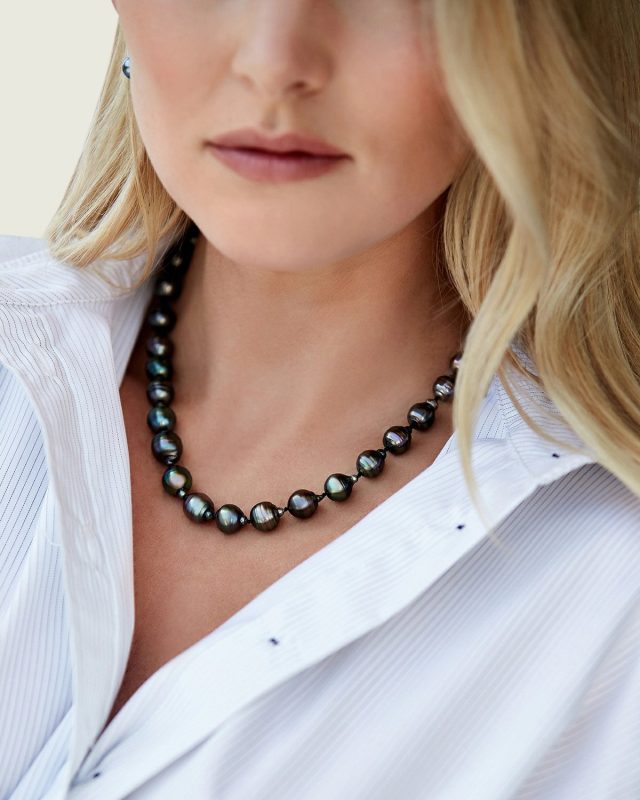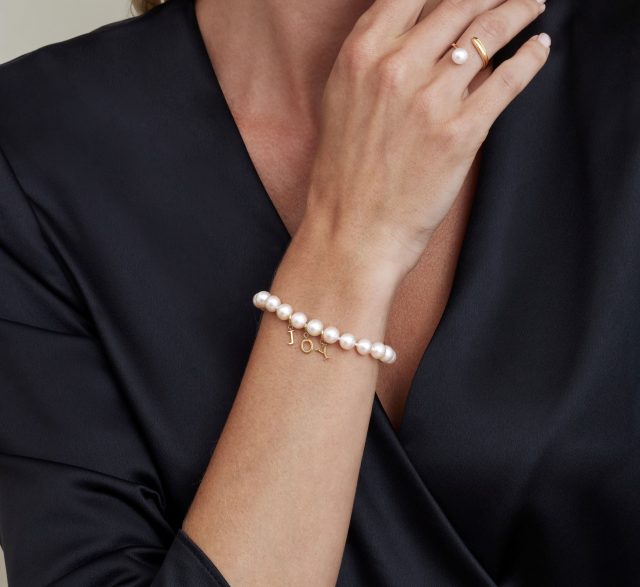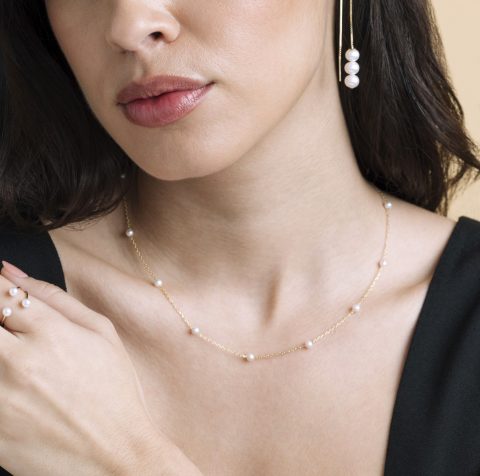
Pearl quality is determined by a combination of factors, including luster, surface, shape, and color. Understanding these standards helps explain the differences between pearls and what contributes to their overall beauty and value.

Pearl quality is evaluated based on several key factors, including luster, surface quality, shape, color, and size. Together, these characteristics influence how a pearl looks and how it is valued.
Luster refers to the way light reflects from the surface of a pearl and appears to glow from within. It is considered one of the most important indicators of quality, with higher-quality pearls displaying a sharper, more reflective shine.
Overtones are subtle secondary colors that appear over a pearls primary body color. These can enhance the overall appearance of a pearl and are often used to describe its depth and complexity.
Nacre quality refers to the thickness and structure of the layers that form a pearl, while luster describes how light interacts with those layers. Thicker, well-formed nacre typically results in stronger luster.
Yes, cultured pearls are real pearls formed within oysters or mussels. The only difference is that the process is initiated by human intervention, but the pearl develops naturally over time.
Pearl prices vary depending on their quality characteristics, rarity, and type. Pearls with high luster, smooth surfaces, round shapes, and desirable colors are generally more valuable.